

Everything useful, in one place
Technical insights, product updates and educational materials created to help customers choose and use the right petroleum solutions.
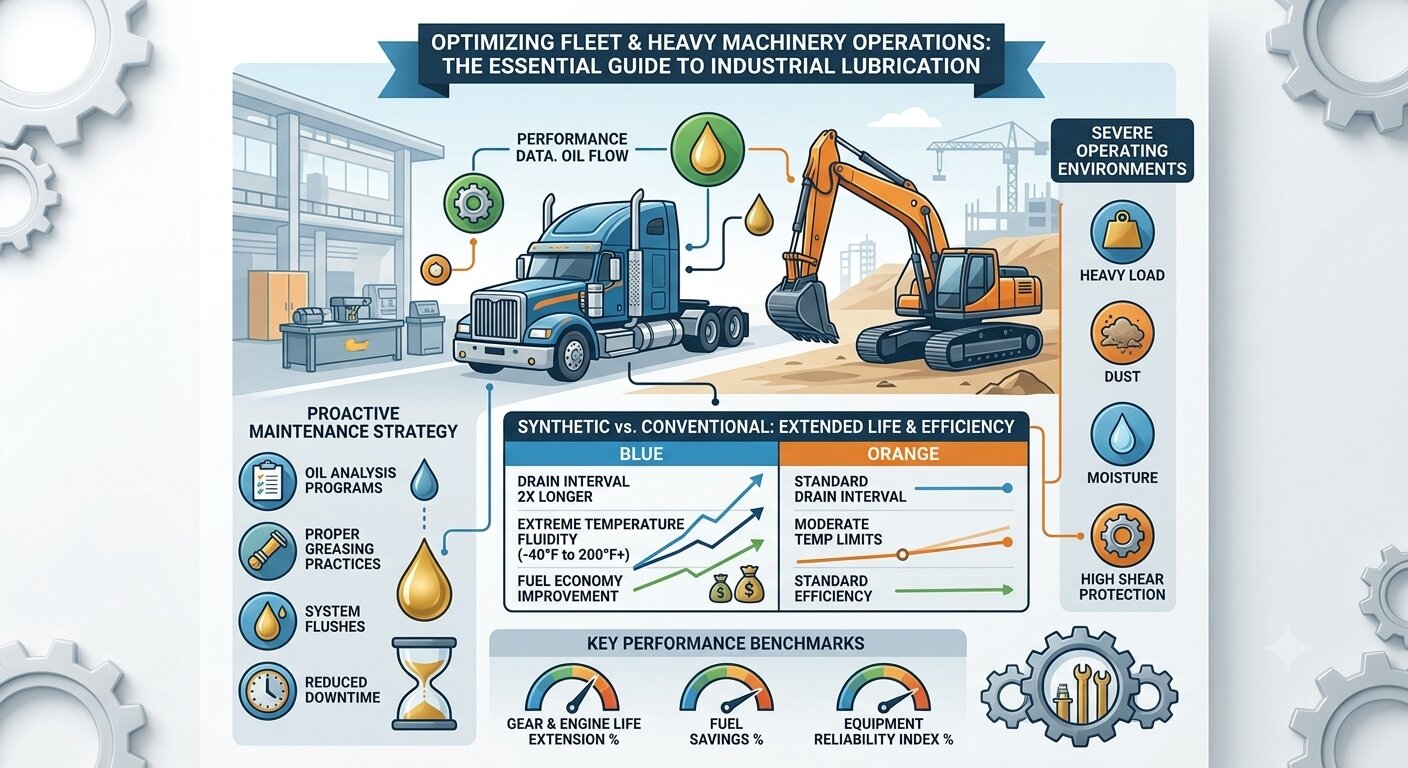
Optimizing Fleet & Heavy Machinery Operations: The Essential Guide to Industrial Lubrication
In heavy industry, equipment downtime isn't just an inconvenience - it's an expensive bottleneck. Whether managing commercial construction fleets, manufacturing plants, or food processing facilities, maintaining peak machine performance comes down to a single critical factor: choosing the correct heavy-duty lubricant. Using the wrong fluid chemistry or failing to match OEM specifications can lead to accelerated component wear, oxidation, filter clogging, and premature equipment failure. The Chemical Clash: Why Fluid Chemistry Matters Not all heavy-duty fluids are created equal. Modern machinery operates under extreme pressure, high thermal loads, and rigorous environmental compliance standards. Fleet managers must select products tailored to their precise operating conditions: 1. High-Performance Hydraulic Systems Hydraulic machinery operating under severe temperature fluctuations requires High Viscosity Index (HVI) fluids. Multi-grade hydraulic oils ensure smooth pump startup in freezing conditions while maintaining sufficient film thickness during high-heat peak operations. For high-pressure hydraulic pumps and mobile construction equipment requiring long-life shear stability, sourcing premium options like Miles Lubricants AW 46 Hydraulic Fluid (55 Gallon Drum) guarantees maximum anti-wear protection against varnish and component scuffing. 2. High-Temperature & Severe Duty Grease Chassis points, wheel bearings, and heavy-duty machinery kingpins are subject to continuous shock loading, water washouts, and extreme friction. Standard lithium greases often break down under continuous heat, leading to oil separation and metal-to-metal contact. Heavy-duty applications demand an NLGI #2 Lithium Complex formulation fortified with tacky polymers and extreme-pressure (EP) additives. Utilizing a dedicated chassis grease such as Lubriplate MaxTac Red Heavy-Duty Grease provides superior water resistance and high dropping points (>500 F) to protect fleet assets under harsh working conditions. 3 Core Best Practices for Lubricant Management Verify OEM Specifications First: Never base fluid selection solely on viscosity. Always confirm required OEM approvals (such as Denison HF-2, Vickers, or ASTM standards) and additive types (zinc-based vs. ashless/zinc-free). Prevent Cross-Contamination: Never mix incompatible fluid chemistries - such as water-glycol (HFC) with synthetic esters (HFDU), or lithium grease with polyurea grease. Doing so triggers phase separation, sludge formation, and instant seal failure. Control Moisture & Particulates: Over 70% of early hydraulic component failures are caused by fluid contamination. Keep drums tightly sealed, utilize desiccant breathers, and maintain strict fluid filtration protocols. Partner with Ave Petroleum for Your Fleet Needs At Ave Petroleum, we simplify industrial supply by providing direct access to top-tier lubricants, complete OEM cross-reference support, and reliable bulk delivery options (from 14 oz grease tubes to 55-gallon drums). Explore our full catalog at AvePetroleum.com or contact our technical team today to match your machinery with the exact fluid equivalents needed to keep your fleet running smoothly.
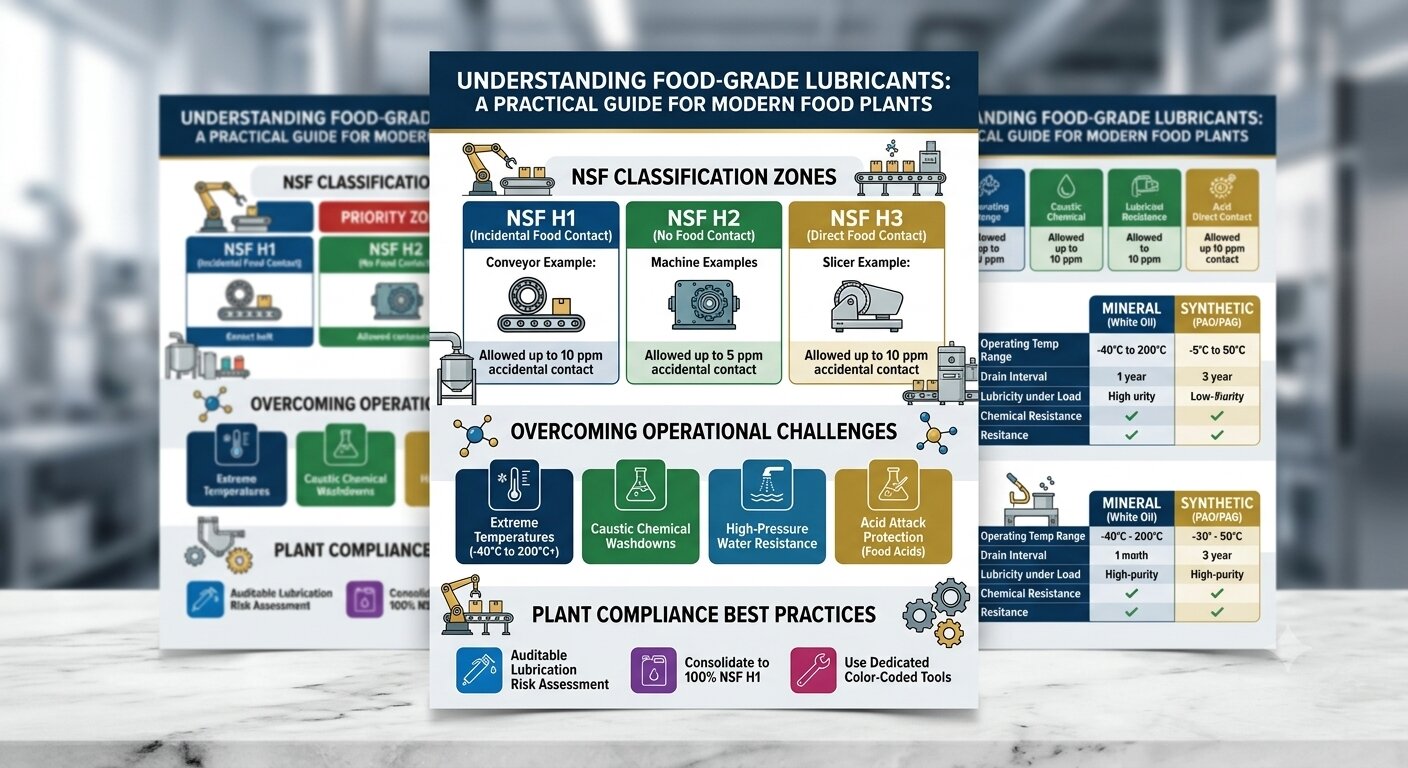
Understanding Food-Grade Lubricants: A Practical Guide for Modern Food Plants
In food, beverage, and pharmaceutical processing plants, keeping machinery running smoothly while maintaining absolute product safety is a daily balancing act. Processing equipment—from high-speed conveyor belts and mixers to bottling lines and ovens—requires lubrication to prevent friction, wear, and mechanical failure. However, using standard industrial lubricants near food production creates a serious contamination risk. That is where food-grade lubricants come in. What Are Food-Grade Lubricants? Food-grade lubricants are specially formulated oils, greases, and synthetic fluids designed for use in equipment where contact with food, beverages, or pharmaceuticals could potentially occur. Unlike standard industrial lubricants, food-grade formulations are made from high-purity, non-toxic base stocks and additives approved by regulatory bodies like the U.S. Food and Drug Administration (FDA). They are engineered to be odorless, tasteless, and completely safe in minute, accidental amounts, without sacrificing the heavy-duty protection machinery needs to run reliably. The Three NSF Classifications Explained To ensure safety across different plant zones, lubricants are registered under specific NSF International classifications based on their risk of food contact: NSF CLASSIFICATION ZONES ┌──────────────────────┼─────────────────────┐ NSF H1 NSF H2 NSF H3 Incidental Food Zero Contact Direct Contact Contact Potential Potential Allowed (Soluble Oils/Edible coatings) NSF H1 (Incidental Contact): Used on machinery where there is a technical possibility of the lubricant coming into accidental contact with food (e.g., overhead conveyors, mixer bearings, pump seals). Incidental contact is legally capped at 10 parts per million (10 ppm) in the final food product. NSF H2 (No Contact): Industrial-grade lubricants used in fully enclosed equipment or utility areas where there is zero chance of touching food lines or packaging (e.g., boiler rooms, closed drive systems). NSF H3 (Direct Contact): Soluble oils or edible coatings used directly on equipment like meat hooks, slicer blades, and trolleys to prevent rust and ease cleaning before processing. Key Operational Challenges Food-Grade Lubricants Face Food processing environments present severe mechanical and environmental stresses that lubricants must overcome: High-Pressure Washdowns: Plants frequently sanitize equipment using high-pressure hot water and caustic chemical detergents. Food-grade greases must offer superior water-washout resistance so they don't wash out of bearings. Extreme Temperatures: Lubricants must remain fluid in spiral freezers operating at -40°C (-40°F) while resisting breakdown in baking ovens operating above 200°C (392°F). Chemical & Acid Attack: Exposure to organic food acids (citric, lactic, malic acids) and cleaning agents can cause standard oils to break down quickly. Food-grade synthetic formulations protect metal components from corrosion. Mineral vs. Synthetic Options Choosing the right base stock depends on your operating environment and budget: Feature Mineral (White Oils) Synthetic (PAO / PAG) Initial Cost Economical Higher initial investment Operating Temp Range Moderate Extreme low to extreme high Drain Intervals Standard Extended (2x to 4x longer) Best Used For Light to medium duty, standard hydraulics Heavy loads, ovens, freezers, severe washdowns Best Practices for Plant Compliance Conduct a Lubrication Risk Audit: Identify all Critical Control Points (CCPs) where lubricants could potentially touch food lines. Consolidate to 100% NSF H1: Many plants switch their entire production floor to NSF H1 products. This eliminates the risk of a technician accidentally applying a non-food-grade lubricant to a sensitive bearing. Use Dedicated, Color-Coded Tools: Assign specific grease guns, oil transfer cans, and fill ports (e.g., purple or blue) exclusively for food-grade products to prevent cross-contamination. By selecting the correct NSF-certified lubricants and following structured maintenance practices, food processing facilities can protect their equipment investment, maximize uptime, and ensure complete peace of mind during safety audits.

Miles Compressor Fluids: Reliable Protection for Industrial Air Compressors
Keep your industrial air compressors running at peak performance with Miles Compressor Fluids. Engineered for superior wear protection, oxidation resistance, and extended service life, Miles compressor lubricants help reduce maintenance costs, minimize downtime, and maximize equipment reliability.
.jpeg)
Spring-Ready Protection: Why LUBRIPLATE No. 1242 Excels in Wet and Demanding Conditions
Protect your equipment this spring with LUBRIPLATE Lithium-Polymer Type Grease No. 1242. Superior water resistance, long-lasting lubrication, and reliable heavy-duty protection.
AVE Petroleum Partners with Industry Giants to Expand Nationwide Distribution
At AVE Petroleum, our commitment to excellence and dedication to serving our customers has always been at the forefront of our operations. We are thrilled to announce a significant milestone in our journey: our strategic partnership with leading industry giants.
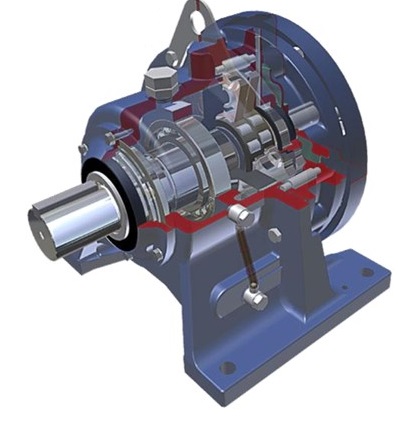
Industrial Fluids Applications - Miles Lubricants Engineering Department
The presentation is concise and is meant to help sales executives to understand where the variety of industries use lubricants. How they are used on the equipment. The presentation does not provide difficult to understand concepts, but actually gives guidance to sales people how to sale products.

CROSS REFERENCE AMONG VARIETY BRANDS
Evaluating a product among difference brands is simple with using Miles Lubricants Guide. If your customer is currently using Shell, Mobil, Lubriplate, Anderol, or another popular brand, you can easily use this chart to cross over the product. 1. Open the sheet and find the brand that you would like to cross over. 2. Each branded product corresponds to Miles product across each raw. 3. Keep in mind that this guide can be used only for reference. If you have a specific application that req

VISCOSITY COMPARISON CHART
This chart is important in evaluating among the different viscosity measurements.
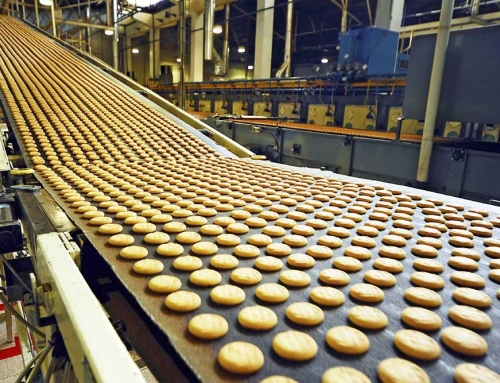
Food Grade Lubricants
This presentation describes what a food grade lubricant is. It covers the legal aspect of food grade oil and involved certification agencies. It also covers the food grade product lines offered by Miles Lubricants. Miles targets the following food grade industries: "Air Compressor Fluids", " Refrigeration Fluid", "Heat Transfer Fluid", "Gear Fluid", "Vacuum Pump Fluid", "Hydraulic Fluid", "Chain Lubricants", and "Industrial System Additives". Presented by Miles Lubricants Engineering Dep
Contamination and Oil Analysis
Oil analysis play an important role in preventative maintenance. The presentation covers the benefits of an oil analysis and how to be proactive with our equipment. It describes the different sources of contamination. It teaches the users on simple level oil analysis report reading and understanding. Best sampling practices are well covered. Presented by Miles Lubricants Engineering Department.